Casino games have been a staple of entertainment for decades, with their allure and excitement drawing in millions of players worldwide. But have you ever wondered what makes these games so engaging? The answer lies in the psychology behind their design. Casino game designers use various techniques to create an experience that keeps players coming back for more. For instance, a visit to woospins can give you an insight into how these games are designed to capture your attention.
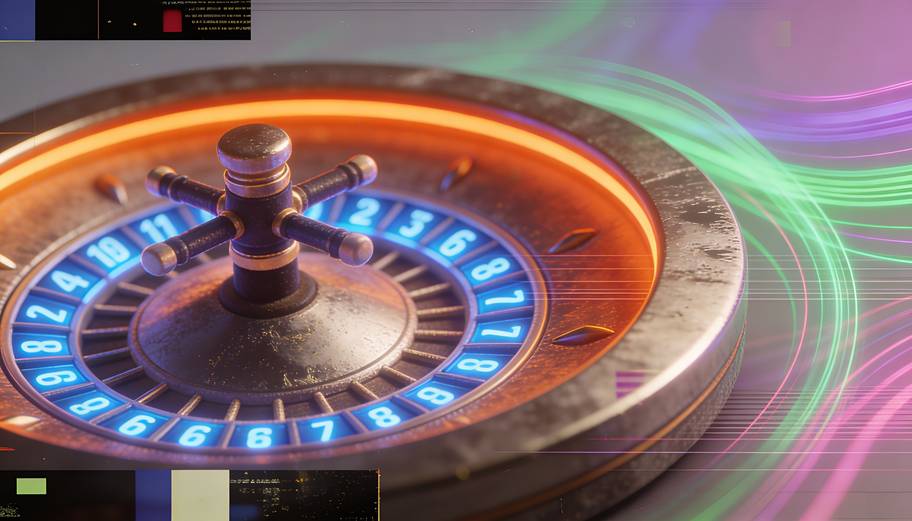
One of the key factors in casino game design is the use of psychological triggers. These triggers are designed to activate the brain’s reward system, releasing dopamine and creating a sense of pleasure and excitement. This is achieved through the use of unpredictable rewards, colorful graphics, and enticing sound effects. By understanding these triggers, game designers can create games that are not only fun but also highly engaging.
The Science of the “Hook”: Behavioral Conditioning in Gambling
The concept of behavioral conditioning was first introduced by B.F. Skinner, who demonstrated that unpredictable rewards can create a strong urge to continue a behavior. This principle is widely used in casino game design, where variable ratio reinforcement is used to keep players engaged. Slot machines, for example, use this technique to create a ” Skinner Box” effect, where players are rewarded at unpredictable intervals, keeping them hooked.
This technique is highly effective, as it creates a sense of anticipation and excitement. Players are never sure when the next reward will come, keeping them engaged and motivated to continue playing. By understanding the science behind the “hook,” game designers can create games that are both fun and highly addictive.
Sensory Manipulation: How Lights, Sounds, and Colors Influence Play
The “C-Major” Connection: The Sound of Winning
Research has shown that certain sounds and music can have a profound impact on our emotions and behavior. In the context of casino games, the use of uplifting music and sound effects can create a sense of excitement and anticipation. The “C-Major” connection, for example, refers to the use of music in the key of C Major, which is often associated with feelings of happiness and joy.
This technique is widely used in casino games, where the sound of winning is often accompanied by upbeat music and celebratory sound effects. By creating a positive emotional association with the sound of winning, game designers can create a sense of excitement and anticipation, keeping players engaged and motivated.
Visual Cues and the Psychology of the Color Red
Visual cues also play a crucial role in casino game design. The use of bright colors, flashing lights, and animated graphics can create a sense of excitement and energy. The color red, in particular, is often used to create a sense of urgency and excitement, as it is associated with feelings of passion and energy.
By using visual cues effectively, game designers can create a sense of anticipation and excitement, keeping players engaged and motivated. This is particularly evident in games such as roulette and slot machines, where the use of bright colors and flashing lights creates a sense of energy and excitement.
Comparing Psychological Triggers Across Different Games
| Slot Machines | Variable Ratio Reinforcement | High | Low | High |
| Roulette | Anticipation and Excitement | Medium | Medium | Medium |
| Blackjack | Perceived Skill and Control | Low | High | Low |
This table highlights the different psychological triggers used in various casino games. By understanding these triggers, game designers can create games that are tailored to specific player preferences and behaviors.
The Illusion of Control and the “Near-Miss” Effect
The Power of Choice in Interactive Bonus Rounds
The illusion of control is a powerful psychological trigger used in casino games. By giving players a sense of control and agency, game designers can create a sense of excitement and anticipation. Interactive bonus rounds, for example, allow players to make choices and influence the outcome of the game.
This sense of control is particularly evident in games such as video poker and blackjack, where players can make decisions that affect the outcome of the game. By creating a sense of agency and control, game designers can create a sense of excitement and anticipation, keeping players engaged and motivated.
Why a “Near-Miss” Triggers the Same Dopamine Release as a Win
The “near-miss” effect refers to the phenomenon where a near win triggers the same dopamine release as a actual win. This is because the brain interprets the near win as a sign of progress and potential future success. By creating a sense of anticipation and excitement, game designers can create a sense of dopamine release, keeping players engaged and motivated.
Environmental Psychology: The “Friedman” vs. “Kranes” Design Theories
The Friedman Theory: Tight Spaces and Immediate Machine Access
The Friedman theory refers to the design approach that emphasizes tight spaces and immediate machine access. This approach is designed to create a sense of excitement and energy, with players surrounded by the sights and sounds of gaming activity.
This approach is often used in land-based casinos, where the goal is to create a sense of excitement and energy. By placing machines in close proximity to each other, casinos can create a sense of community and social interaction, keeping players engaged and motivated.
The Digital Shift: Psychology in Online Casino UX/UI
The rise of online casinos has led to a new era of game design, where psychology plays a crucial role in creating an engaging and immersive experience. Online casinos use various techniques such as gamification, push notifications, and haptic feedback to replicate the physical casino experience and keep players engaged on their devices.
Author
Author: Dr. Marcus Thorne
Bio: Dr. Marcus Thorne is a behavioral psychologist and consultant with over 15 years of experience studying consumer habits and the mechanics of gaming addiction. He has published numerous papers on the intersection of cognitive neuroscience and digital interface design.
FAQ
Why do slot machines use bright colors and loud noises?
Slot machines use bright colors and loud noises to create a sense of excitement and energy. The use of visual and auditory cues is designed to activate the brain’s reward system, releasing dopamine and creating a sense of pleasure and anticipation.
What is a “Loss Disguised as a Win” (LDW)?
A “Loss Disguised as a Win” (LDW) refers to the phenomenon where a loss is disguised as a win, often through the use of celebratory sound effects and graphics. This technique is designed to create a sense of excitement and anticipation, keeping players engaged and motivated.
How do casinos use “Zone” design to keep people playing?
Casinos use “Zone” design to create a sense of immersion and engagement. By removing distractions such as clocks and windows, casinos can create a sense of timelessness, keeping players focused on the game and increasing the likelihood of continued play.
Is the “Near-Miss” effect programmed into the game?
The “Near-Miss” effect is not explicitly programmed into the game, but rather emerges from the combination of game design and player psychology. By creating a sense of anticipation and excitement, game designers can create a sense of dopamine release, keeping players engaged and motivated.
Why do online casinos offer “Free Spins” from a psychological perspective?
Online casinos offer “Free Spins” as a way to create a sense of excitement and anticipation. By providing players with a sense of agency and control, online casinos can create a sense of dopamine release, keeping players engaged and motivated. The use of “Free Spins” also creates a sense of perceived value, increasing the likelihood of continued play.
Yanıt yok